 |
 |
|
|
|
|
|
 |
 |
|

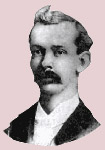 |
In 1912
American chemist
Wilbur
Scoville created a method of measuring the "hotness" of chili
peppers.
The resultant Scoville
Scale
is a measure of the piquancy of a chili pepper. The number of Scoville
heat units (SHUs) indicates the amount of capsaicin present.
Basically the pungency of the chilli depends on the location in which chilli is grown and the genetic structure of the chilli. The pungency of the chilli is due to the capsaicin, a chemical compound found in placenta of the chilli. Capsaicin stimulates the nerve endings in the tongue which transmits to brain making the body release endorphin. |
| Wilbur
Scoville tried many different methods to measure the pungency of the
chilli, but he found that the readings were not precise and consistent.
He tried to mix the chilli extract with different chemical but was not
successful. He found that subjective test were more successful. The
tongue being sensitive reacted to the pungency of the chilli. He soaked
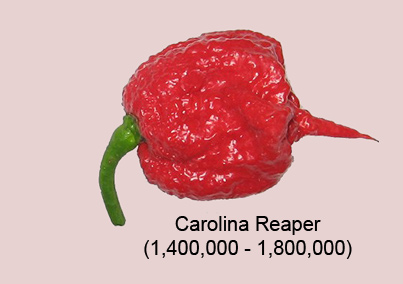
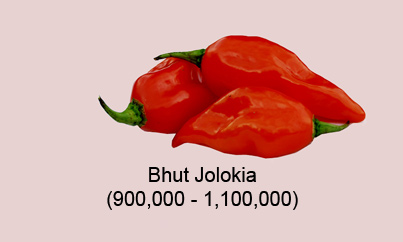
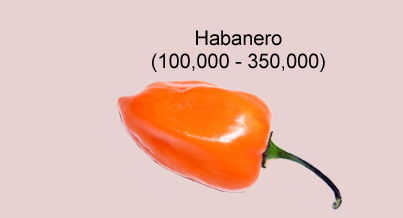
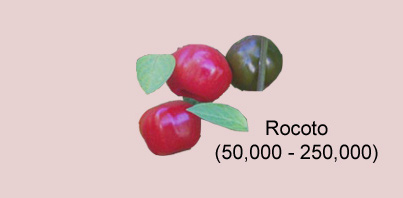
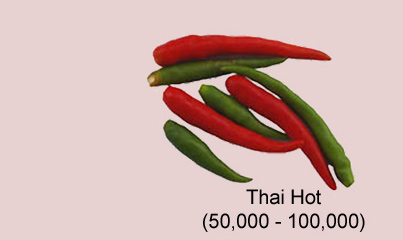
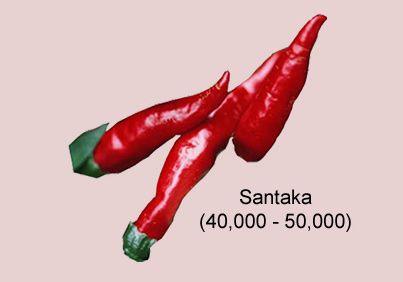
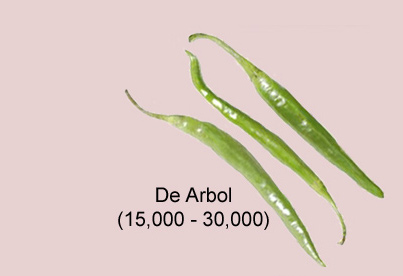
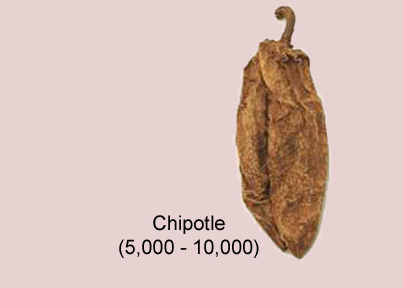
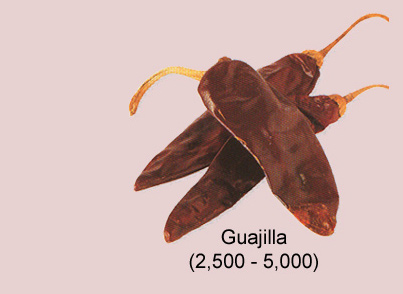
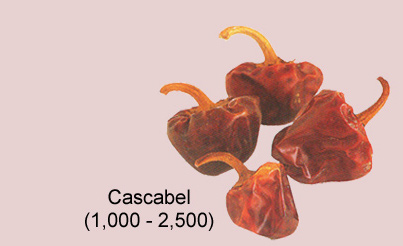
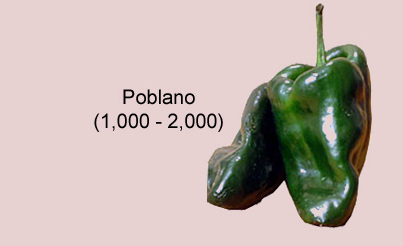
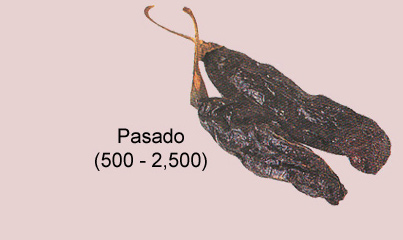
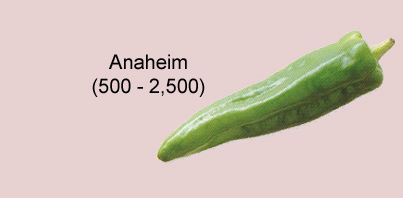
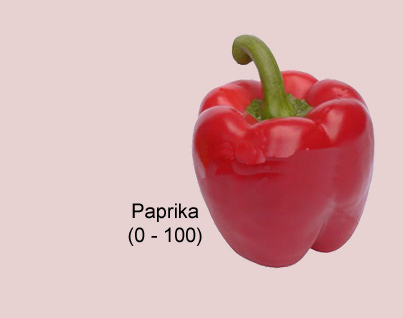
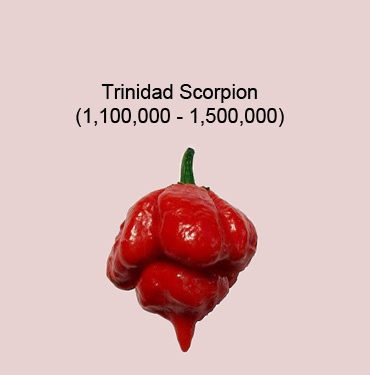
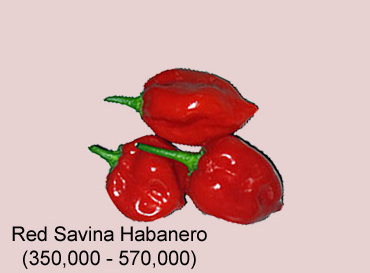
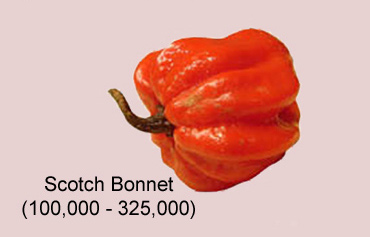
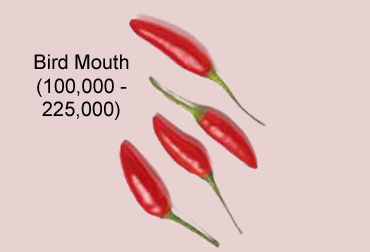
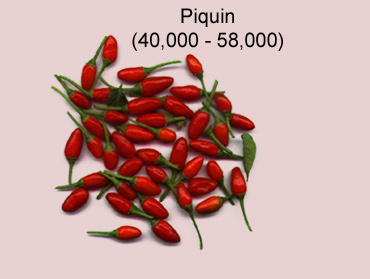
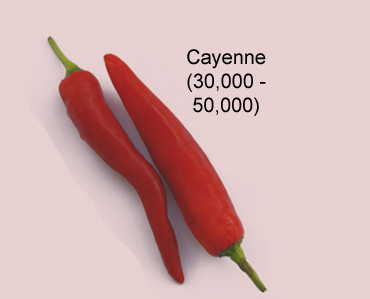
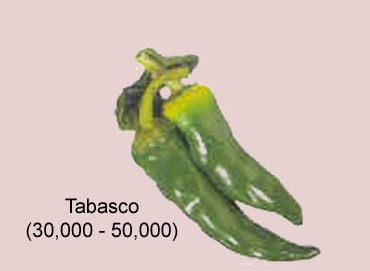
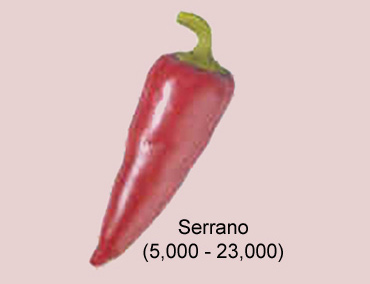
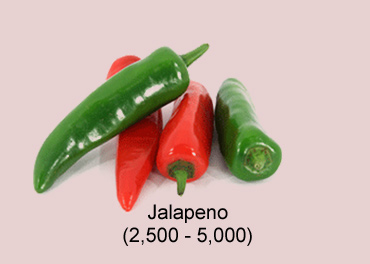
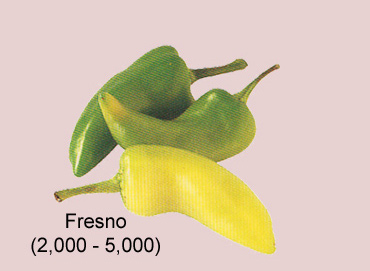
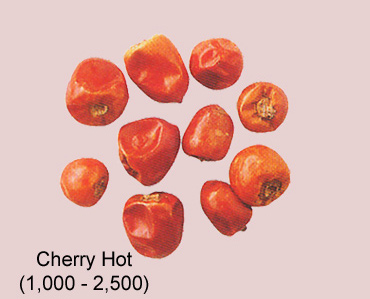
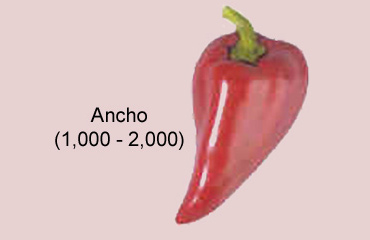
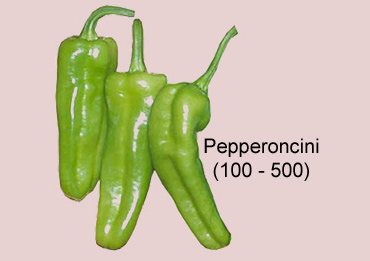
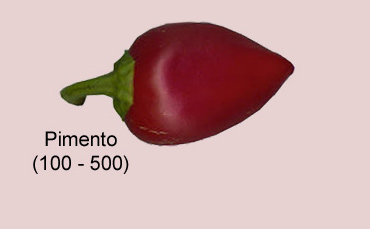
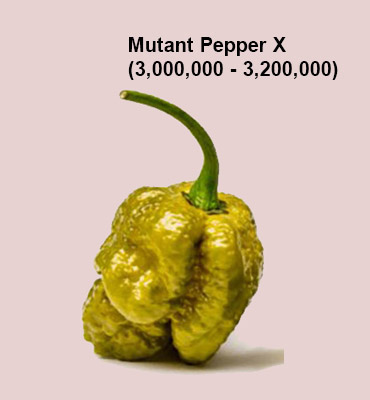
the chilli in alcohol. The capsaicin is soluble in alcohol. The quantity of the soaked extract is noted. Water mixed with sugar is added to the extract and given to the human subjects to taste the sample for pungency. Usually, there are five people who taste the sample. To achieve the rating, three people out of five must agree on the taste. If there is still pungency found, then the samples are further diluted with solution of alcohol and sweetened water until there is no heat felt by the tasters. The following table shows the approximate SHUs of various types of popular chili peppers |
|
|
|
|
| Freezing
Chilis Selecting chilis: Select crisp, fresh, thick-fleshed chilis that are free from blemishes and have a bright color. Preparing for Freezing: No special preparation is needed to prepare small chilies for freezing. Use gloves when handling peppers and be careful not to touch your eyes or skin after handling them until you wash your hands thoroughly. Best Freezing Method: Place in a single layer on a aluminium sheet or tray . Freeze until peppers are firm, and then transfer into freezer bags, press out air, label and seal. Leave 1/2 inch headspace. Suitable Packaging: Freezer containers should be moisture and vapor resistant and should not be prone to cracking or breaking at low temperatures. Containers should provide protection against absorbing flavors or odors and should be easy to label. Suitable packaging for freezing chilis includes freezer-grade plastic bags, rigid plastic containers or glass containers and heavy-duty aluminum foil. Maximum Storage Time: Chilis can be stored in the freezer for up to 10 to 12 months at -15ºC before they start losing their flavor. Thawing: Remove chilis from freezer as needed and add directly into dishes while cooking. My thanks to Ellen Brown for
providing the basic information.
|
| When Chilis are too Hot How do you deal with a burning mouth from a very hot chili pepper? Capsaicin is not soluble in water, therefore however much water or beer you may drink, the burning sensation lingers. Water or beer only temporarily relieves the burning whilst you are drinking it but once you stop the hot flames return. Instead of water or beer, try a milk or a milk based product that contains cream or oil (capasaicin is oil soluble). Yoghurt is good as is coconut milk. For some people a full bodied red wine helps rather than a white wine. Chewing and swallowing mouthfuls of plain warm rice is another way to wipe away traces of capsaicin in your mouth; or better still, rice mixed with sauce from none spicey stir fried vegetables as it contains some oil. My thanks to Kasma Loha-unchit
for providing the basic information
|
 Try Yorky's Special Recipes |
 Read The Chili Story |



 |
 |